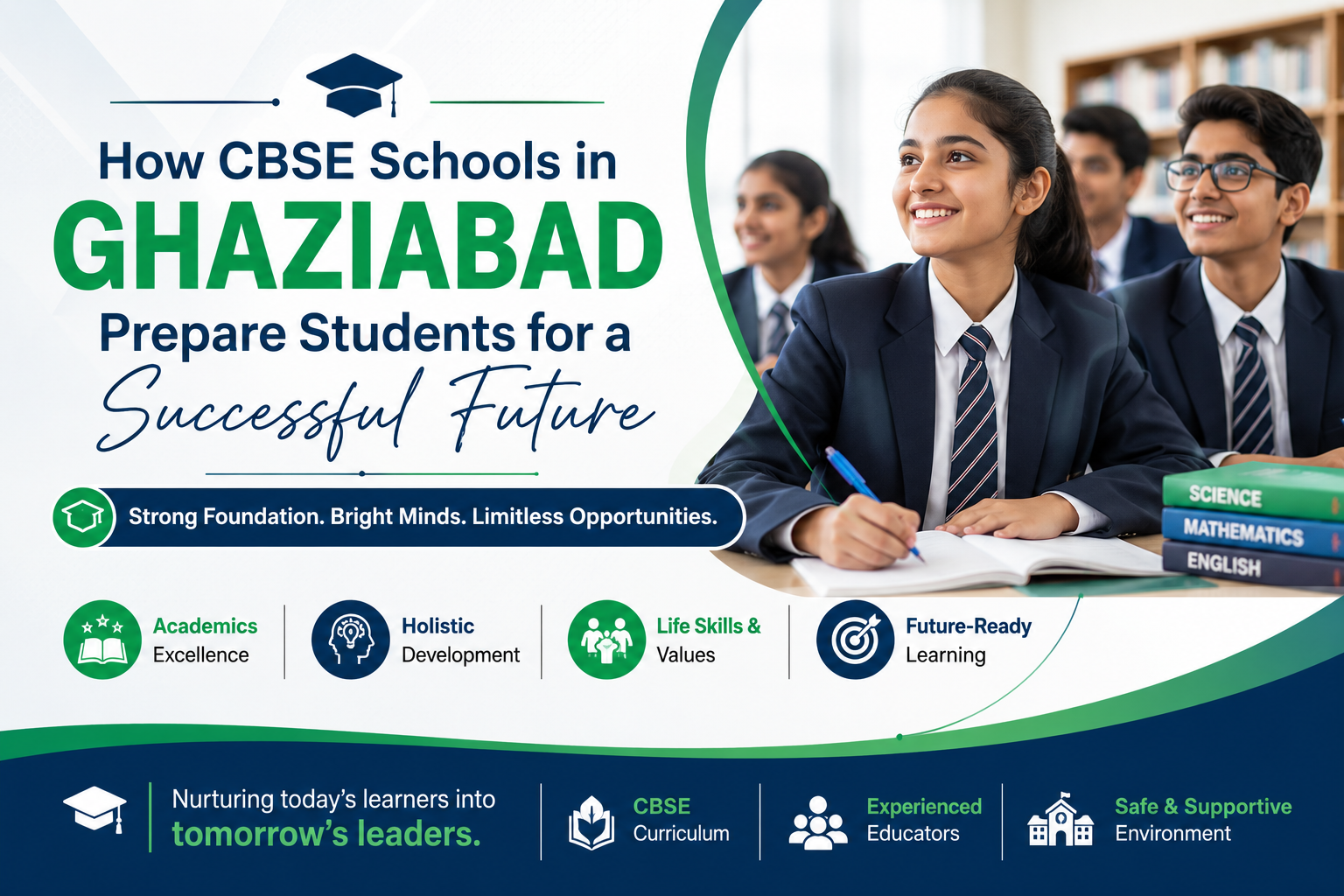
The definition of quality education is changing rapidly in India. Parents and educators are increasingly realizing that academic excellence alone is not enough to prepare children for future success. Today's students need critical thinking, communication skills, emotional intelligence, creativity, adaptability, and leadership abilities alongside strong academic foundations.
This shift has made holistic learning one of the most important trends shaping the future of school education in India. Schools that focus on overall personality development are helping students become confident, capable, and future-ready individuals.
Quick Answer
Holistic learning is becoming the future of school education in India because it focuses on the complete development of a child—academically, physically, emotionally, socially, and creatively. Instead of concentrating only on examination scores, holistic education prepares students with life skills, leadership qualities, problem-solving abilities, and real-world competencies needed for long-term success.
What Is Holistic Learning?
Holistic learning is an educational approach that nurtures every aspect of a student's development rather than focusing solely on academics.
It combines:
- Academic excellence
Sports and physical fitness
Creativity and innovation
Emotional well-being
Communication skills
Leadership development
Character building
Social responsibility
The goal is to help students grow into balanced individuals who can thrive in school, higher education, careers, and life.
Why India Is Moving Towards Holistic Education?
1. Future Careers Require More Than Academic Knowledge
Many future jobs will demand skills such as creativity, collaboration, adaptability, and critical thinking. Schools are now preparing students for a rapidly changing world where practical skills are just as important as subject knowledge.
2. National Education Policy (NEP) Supports Holistic Development
India's education reforms emphasize experiential learning, skill development, multidisciplinary education, and competency-based learning. This aligns closely with the principles of holistic education.
3. Growing Focus on Student Well-Being
Mental health, emotional resilience, and stress management have become important concerns for students and parents. Holistic learning helps create healthier and more supportive learning environments.
Key Benefits of Holistic Learning:
- Better Academic Performance
Stronger Communication Skills
Improved Confidence and Leadership
Enhanced Problem-Solving Abilities
Better Emotional Intelligence
How Smart Schools Are Implementing Holistic Learning ?
Leading schools are integrating holistic development into everyday learning through:
- Technology-enabled classrooms
Sports and fitness programs
STEM and innovation activities
Arts, music, and cultural programs
Leadership initiatives
Experiential and project-based learning
Life skills education
Community engagement activities
These experiences help students discover their strengths and develop confidence beyond academics.
DPS Raj Nagar Extension's Approach to Holistic Education
As one of the progressive educational institutions in Ghaziabad, DPS Raj Nagar Extension follows a student-centric approach that supports all-round development.
The school combines:
- CBSE academic excellence
Digital and IT-enabled classrooms
Well-equipped laboratories
Sports and physical education
Creative and cultural opportunities
Safe and secure learning environment
Leadership and personality development initiatives
Spread across a lush green 10-acre campus, the school encourages joyful learning while nurturing responsible, confident, and future-ready learners with strong Indian values and a global outlook.
Summary
Holistic learning is no longer an educational trend—it's becoming the foundation of future-ready education in India. As the world continues to evolve, students need more than academic knowledge to succeed. They need confidence, adaptability, leadership, creativity, and emotional intelligence.
Schools that combine academics with sports, life skills, creativity, and character development are helping shape the next generation of successful and responsible citizens. For parents seeking the best educational experience for their children, holistic learning offers the balanced approach needed for long-term growth and success.
Frequently Asked Questions
What is holistic learning in schools?
Holistic learning focuses on developing a child's academic, physical, emotional, social, and creative abilities to support overall growth and success.
Why is holistic education important for students?
It helps students build confidence, communication skills, leadership qualities, emotional intelligence, and problem-solving abilities alongside academic excellence.
How does holistic learning improve academic performance?
Interactive learning, practical experiences, and student engagement often improve understanding, retention, and academic outcomes.
What role do sports play in holistic education?
Sports help students develop discipline, teamwork, resilience, leadership skills, physical fitness, and self-confidence.
How can parents identify a holistic school?
Parents should look for schools that balance academics with sports, arts, life skills, technology integration, and personality development programs.