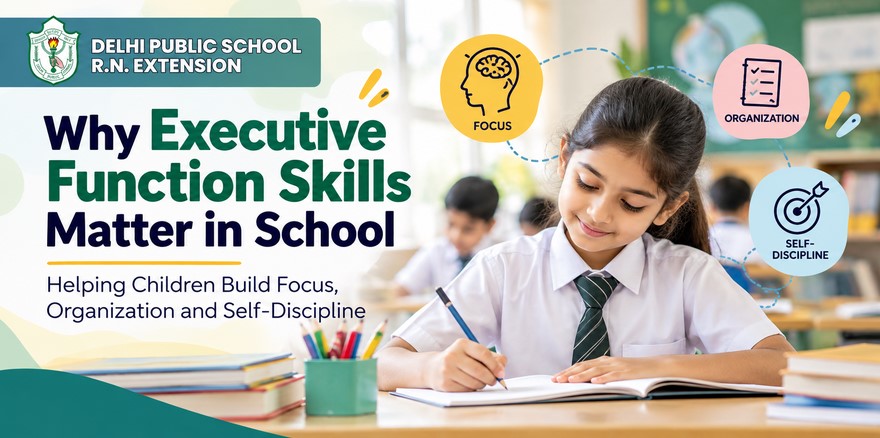

In many homes today, screens compete with books for a child’s attention. Mobile phones, tablets, and television often reduce focus and affect academic performance. Practical parenting tips can guide families toward healthier routines. By limiting distractions and encouraging structured learning, parents can support Developing Good Study Habits in Children while creating a balanced daily schedule.
Set Clear Daily Routines at Home
Children respond well to predictable schedules. Fixed study hours, meal times and sleep routines reduce unnecessary screen exposure. One of the most effective parenting tips is creating a timetable that separates study time from entertainment. Consistency helps in Developing Good Study Habits in children and improves attention span over time.
Create a Dedicated Study Space
A quiet and organized corner for learning makes a noticeable difference. Keep books, notebooks and stationery within reach. Avoid placing televisions or gaming devices near the study area. Families who follow simple parenting tips like this notice better focus and stronger academic discipline in children.
Set Healthy Screen Time Limits
Clear rules about digital use are necessary. Decide how many minutes are allowed for television or mobile games each day. Replace extra screen hours with reading, puzzles, or outdoor play. Structured limits support Developing Habits in children and improve memory retention.
Encourage Reading Beyond Textbooks
Reading storybooks, biographies and age-appropriate articles builds vocabulary and imagination. Many educators from the top schools in Ghaziabad recommend daily reading habits at home. Parents who follow consistent parenting tips around reading often see improvements in comprehension and classroom participation.
Lead by Example in Daily Life
Children observe adult behavior closely. When parents reduce their own screen time and spend time reading or planning tasks, children follow naturally. Modeling discipline is one of the strongest parenting tips for shaping routines and supporting Good Habits in children.
Break Study Time into Short Sessions
Long study hours can overwhelm young learners. Divide lessons into focused sessions with short breaks. This method improves concentration and reduces the urge to check devices. Teachers in the best schools near Indirapuram and Crossing Republik often suggest structured revision cycles for better academic results.
Reward Effort Not Just Results
Appreciate consistency and sincere effort rather than only marks. Positive reinforcement builds confidence and encourages children to stick to routines. Practical parenting tips like verbal praise or small rewards can motivate children while Developing Good Study Habits in children.
Promote Outdoor Activities and Hobbies
Physical activity reduces screen dependency. Sports, drawing, music and gardening keep children engaged in meaningful ways. These alternatives naturally reduce device time. Parents who combine activity with structured routines see steady progress in Creating Good Study Habits in their child.
Build a Balanced Family Culture
A supportive home atmosphere strengthens learning habits. Shared meals, conversations about school, and limited device use during family time reinforce discipline. When families consistently apply thoughtful parenting tips, children adapt naturally and focus better on their studies.
Quick Parenting Guide for Healthy Study Habits
| Parenting Focus Area | Practical Action at Home | How It Supports Academic Growth |
| Set Daily Routine | Fix study hours and sleep schedule | Builds discipline and consistency |
| Limit Screen Time | Allow fixed daily digital minutes | Reduces distraction and improves focus |
| Dedicated Study Space | Create a quiet study corner | Encourages concentration |
| Encourage Reading | Daily reading beyond textbooks | Improves vocabulary and comprehension |
| Short Study Sessions | Study in 30 to 40 minute blocks | Boosts retention and reduces fatigue |
| Reward Effort | Appreciate regular practice | Builds motivation and confidence |
| Monitor Device Use | Keep gadgets in common areas | Promotes responsible digital habits |
| Outdoor Activities | Encourage sports and hobbies | Reduces screen dependency |
| Teacher Communication | Stay updated with school feedback | Aligns home study with classroom goals |
| Teach Time Management | Use weekly planners | Develops independent learning skills |
Reducing screen exposure is not about removing technology completely. It is about guiding children toward mindful use while encouraging structured learning. Parents who practice steady parenting tips and focus on Developing Good Study Habits in their child often see long-term academic improvement so the children can grow into focused and responsible learners prepared for future success.
FAQ’S
How can parents reduce screen time for children at home?
Simple parenting tips include setting fixed digital hours, keeping devices in common areas and encouraging reading or outdoor play. Clear routines and supervision help children reduce unnecessary screen exposure and focus more on studies.
What are the best ways for Developing Good Study Habits in Child?
Developing Good Study Habits in Child starts with a daily timetable, a quiet study space, short focused sessions and regular revision. Consistency and parental involvement improve concentration, memory and academic confidence over time.
Why is limiting screen time important for academic success?
Excessive screen time affects attention span and sleep quality. Following structured parenting tips such as device free study hours supports Developing Good Study Habits in Child and improves classroom performance.
How do top schools in Ghaziabad encourage better study routines?
Many top schools promote structured homework schedules, reading programs and time management skills. Parents can follow similar parenting tips at home to reinforce disciplined learning habits.
At what age should parents start building study discipline?
Parents can begin Developing Good Study Habits in Child from early primary years. Simple routines, daily reading and limited screen exposure lay a strong academic foundation during the formative stages.